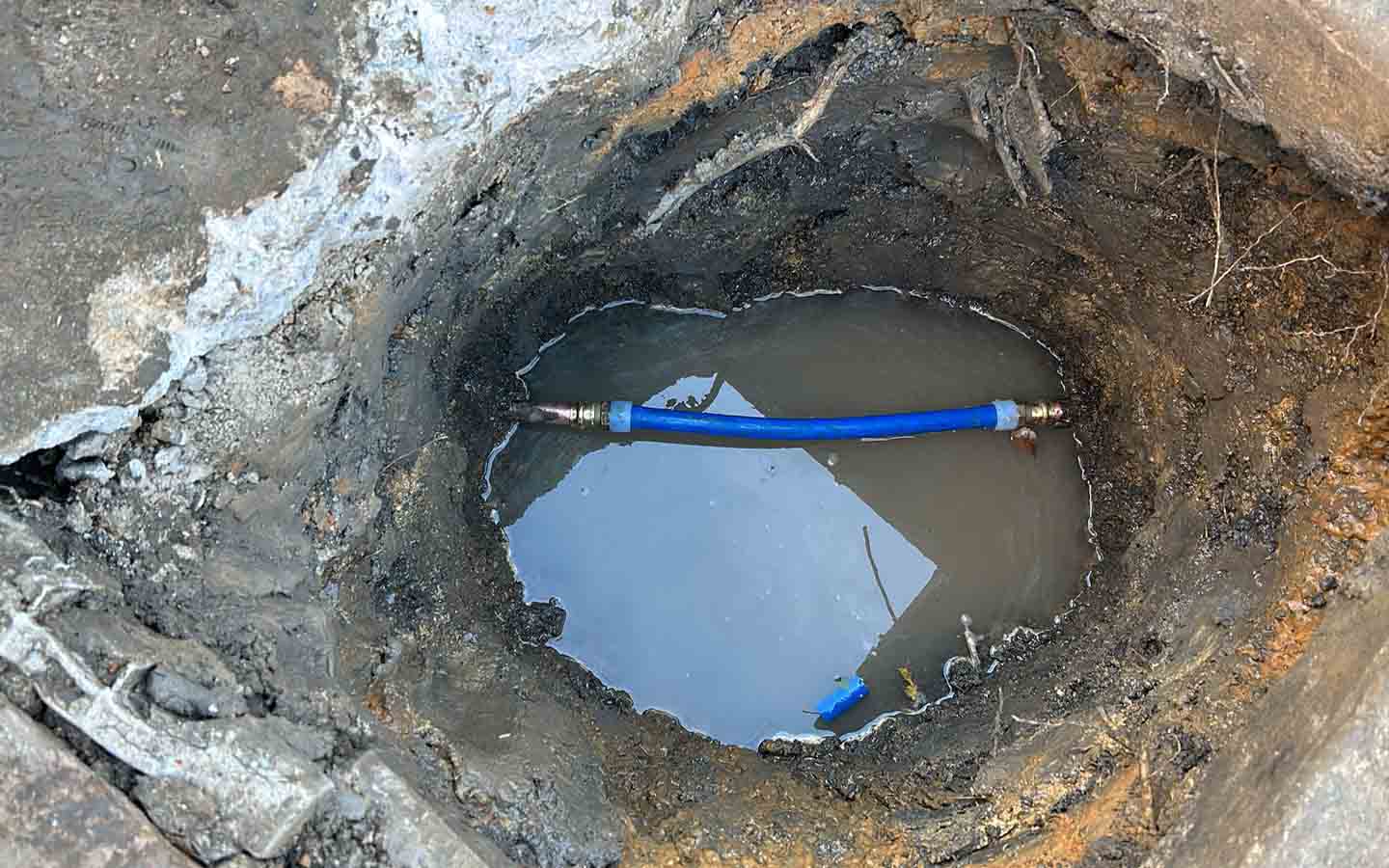
For homeowners in many parts of the country, plumbing problems tend to be visible and straightforward — a dripping faucet, a leaking supply line, or a burst pipe behind a wall. In Texas, particularly across North Texas communities such as Dallas, McKinney, and Lewisville, plumbing failures often develop out of sight, beneath the concrete foundation itself.
Slab leaks are not random plumbing accidents. In Texas, they are the predictable result of a unique combination of soil composition, foundation design, climate conditions, and aging underground plumbing systems. These factors interact over time, placing constant stress on pipes embedded beneath concrete slabs.
Understanding why slab leaks are so common in Texas homes helps homeowners recognize risk earlier, respond faster to warning signs, and protect their foundation before damage becomes severe. For professional assistance, Slab Leaks Repair Dallas can pinpoint issues before they escalate.
Expansive Clay Soil: The Primary Driver of Slab Leaks in Texas
The single most important factor behind the prevalence of slab leaks in Texas is expansive clay soil, particularly the Houston Black and Yazoo clay formations common throughout the Blackland Prairie region of North Texas.
Unlike sandy or rocky soils, clay behaves dynamically:
- It absorbs moisture during rainy periods and expands
- It dries out during hot, dry conditions and contracts
- This expansion–contraction cycle repeats year after year
During heavy rains, clay soil swells and pushes upward against the foundation. During droughts or extended heat, the soil shrinks, pulling away from the slab and creating voids beneath it. This constant movement places mechanical stress on everything resting within or beneath the slab — including plumbing lines.
Over time, this movement leads to:
- Shearing forces that crack rigid pipes
- Joint separation as the slab shifts unevenly
- Bending or kinking in copper lines that develop hairline fractures
Even well-constructed homes experience this stress. Slab leaks in Texas are often the result of long-term soil behavior, not poor workmanship.
Copper Pipes, Soil Chemistry, and Corrosion
Many Texas homes built between the 1960s and early 2000s used copper piping for under-slab water supply lines. While copper is durable, it is not immune to environmental factors present in Texas soil.
Texas soil is often alkaline and mineral-rich. When copper pipes come into prolonged contact with certain soil conditions — or when minor electrical currents are present in the ground — electrochemical reactions can occur. This process gradually thins the pipe wall, leading to pitted corrosion.
Eventually, pinhole leaks form.
Even a leak the size of a pen tip can release hundreds of gallons of water per day beneath the slab. That water further destabilizes the soil, accelerates foundation movement, and creates a destructive feedback loop where soil movement causes more pipe damage.
Climate Extremes and Thermal Expansion Stress
Texas climate plays a significant role in slab leak development. Rapid temperature swings — sometimes changing dramatically within a single day — affect underground pipes more than many homeowners realize.
As hot water moves through pipes, materials expand. When water cools, pipes contract. In slab foundations, pipes are often tightly encased in sand or concrete, restricting natural movement.
Over years of heating and cooling cycles:
- Pipes rub against concrete or rock
- Friction creates wear points
- Stress concentrates at fittings and joints
This process can eventually produce friction leaks, particularly in older copper systems.
Aging Infrastructure in Established North Texas Neighborhoods
Cities such as Dallas, McKinney, and Lewisville have many established neighborhoods with original plumbing systems still in service. As underground pipes age, they become increasingly vulnerable to failure.
Common issues include:
- Corrosion in cast iron sewer lines
- Deterioration of older copper or galvanized pipes
- Failing joints and connections
Drainage line leaks often occur silently, saturating soil beneath the slab. This localized saturation causes uneven foundation movement, which can then trigger failures in nearby pressurized water lines.
In many cases, slab leaks are not isolated events — they are part of a larger system failure caused by aging infrastructure interacting with Texas soil conditions.
Water Pressure and System Stress
High municipal water pressure is another contributing factor in many Texas cities. Excessive pressure increases stress on underground pipes, especially at joints and fittings already weakened by soil movement or corrosion.
Pressure-related slab leaks often begin small but worsen quickly once damage starts, particularly beneath concrete slabs where leaks are difficult to detect early.

Why Slab Leaks Are Often Missed
Slab leaks rarely present dramatic symptoms at first. Instead, they produce subtle warning signs that homeowners may dismiss as seasonal changes or normal settling.
Early indicators often include:
- Gradual increases in water bills
- Warm or damp spots on flooring
- Minor cracks in tile or concrete
- Persistent moisture or musty odors
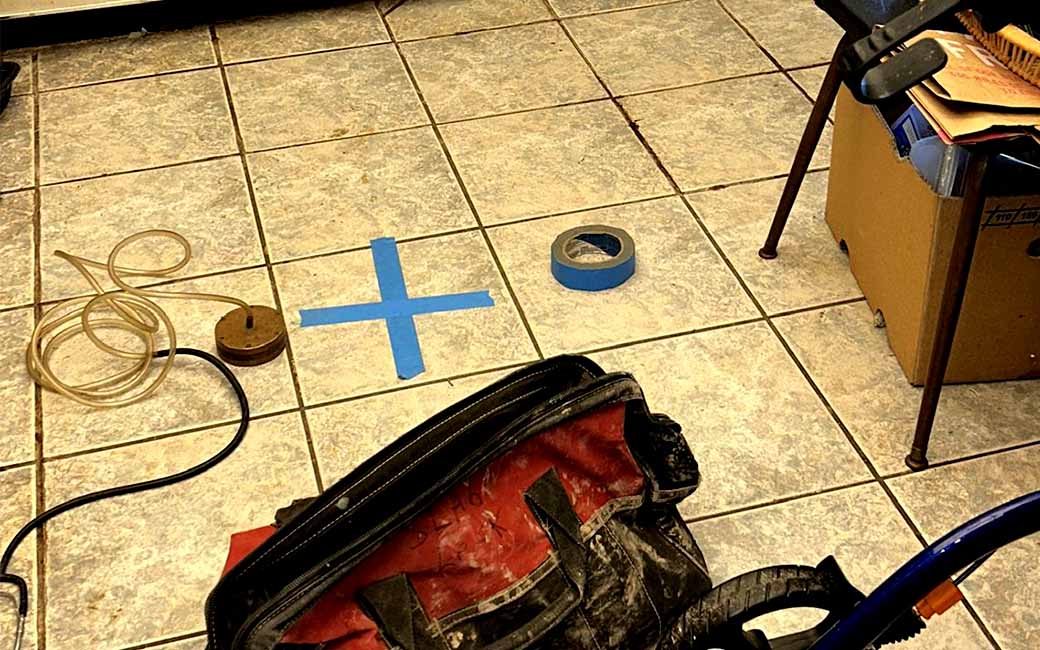
Because these signs develop slowly, professional slab leak detection in Texas becomes essential when suspicion arises. Early evaluation helps confirm whether a plumbing issue exists before structural damage worsens, allowing for targeted repairs and minimizing disruption to the home.
Why Early Detection Matters in Texas Homes
In Texas, soil movement is already a constant challenge. When slab leaks go undetected, the additional moisture compounds foundation stress and accelerates damage.
Early detection allows for:
- Targeted repairs with minimal access
- Reduced disruption to flooring and living spaces
- Lower overall repair costs
- Protection of foundation integrity
Addressing slab leaks early often prevents the need for extensive foundation repairs, mold remediation, and structural restoration.
According to leak detection and repair best practices published by the U.S. Environmental Protection Agency, early identification of leaks significantly reduces long-term structural damage and repair costs.
The Importance of Texas-Specific Expertise
Slab leaks in Texas are not identical to slab leaks in other regions. Soil composition, foundation construction, pipe materials, and climate all vary by location.
A specialist familiar with Texas homes understands:
- Local soil behavior
- Regional foundation designs
- Common pipe layouts used in North Texas neighborhoods
This localized knowledge leads to more accurate detection and more effective, long-term repair strategies.
Protecting Your Home from Slab Leaks
While slab leaks cannot always be prevented, homeowners can reduce risk by:
- Monitoring water usage regularly
- Addressing foundation movement early
- Investigating warning signs promptly
- Scheduling professional inspections with licensed slab leak specialists when concerns arise
Proactive attention is the most effective way to limit damage and avoid costly structural repairs.
Connect with The Best Plumbing Service in Dallas
Don’t let plumbing issues disrupt your day! Contact our expert team today for fast, accurate, and reliable leak detection and repairs in Dallas. With transparent pricing, cutting-edge technology, and over 30 years of experience, we’re here to save you time, money, and stress.